


Why Location-Based Advertising (Geofencing) Is the Smartest Move You’re Not Making
Traditional digital advertising often operates with a wide-angle lens, capturing a vast audience but frequently missing the high-intent subjects that drive actual revenue. This broad approach leads to wasted impressions and diluted ROI. To achieve market dominance, you must shift your perspective from broad demographic targeting to geographic precision.
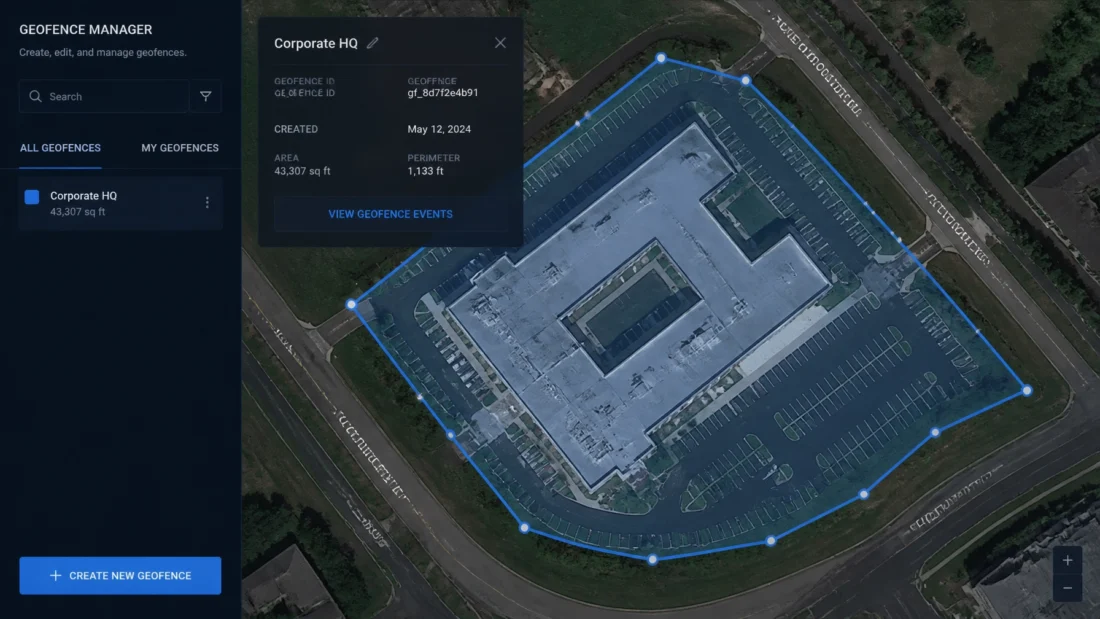
Location-based advertising, specifically geofencing, represents the pinnacle of this precision. It allows you to draw virtual boundaries around specific real-world locations: competitors’ storefronts, industrial hubs, or trade show venues: to deliver hyper-relevant messaging to users within those perimeters. This is not a suggestion; it is a strategic imperative for any brand looking to maximize its digital impact in 2026.
The Technical Essence of Geofencing
Geofencing is a location-based service that uses GPS, RFID, Wi-Fi, or cellular data to trigger a pre-programmed action when a mobile device enters or exits a virtual boundary. This boundary is known as a geofence. The power of this technology lies in its versatility. It is not limited to a simple radius around your own office; it can be deployed with surgical accuracy.
There are four primary layers of location-based targeting that every decision-maker should understand:
- Behavior-Based Targeting: This utilizes historical location data to identify users who frequent specific types of locations, such as luxury car dealerships or industrial supply stores.
- On-Premise Targeting: This captures users currently located within a specific building or property line.
- Proximity Targeting: This targets users within a designated walking or driving distance of a specific point of interest.
- Neighborhood Targeting: This focuses on specific residential or commercial zones where your target demographic lives or works.
The result of implementing these layers is a campaign that reaches your audience when they are in the most receptive mindset. By aligning your message with the user’s physical context, you eliminate the friction between the ad and the action.
B2C Impact: Capturing the Moment of Intent
In the B2C sector, geofencing is the ultimate tool for driving foot traffic and executing competitive conquesting strategies. When a consumer is within physical proximity of a retail location, their intent is at its peak. Failing to reach them at this point is a missed opportunity for conversion.
Consider the retail environment. A well-executed geofencing campaign can trigger a high-value offer the moment a customer enters a competitor’s parking lot. This is competitive conquesting. It forces your brand into the consumer’s consideration set at the exact moment they were prepared to spend money elsewhere.
Statistics confirm this efficacy. Geofencing campaigns deliver 2-3x higher click-through rates (CTR) than standard mobile ads. Furthermore, 64% of consumers are more likely to purchase from stores that send location-based offers. This data proves that consumers value relevance over volume. By integrating these campaigns with a robust Web Design, you ensure that once the user clicks, they are met with a seamless, high-converting digital experience.
B2B Strategic Advantage: Trade Shows and ABM
Many B2B leaders mistakenly believe that geofencing is purely a consumer-facing tactic. This is a strategic error. In reality, geofencing is one of the most effective tools for Account-Based Marketing (ABM) and event-based lead generation.

Trade shows and industry conferences represent high concentrations of decision-makers. Geofencing the venue allows you to amplify your brand’s presence beyond the confines of your physical booth. You can serve ads to attendees as they navigate the floor, attend keynote sessions, or even relax in nearby hotels. This multi-touch approach reinforces your message and ensures your brand remains top-of-mind long after the event concludes.
For B2B events, geofencing can yield an ROI exceeding 300%. This is because the targeting is naturally pre-qualified by the venue itself. You are not guessing who your audience is; you are reaching the exact professionals who have invested time and resources to be in that specific space. This level of precision is why 45% of B2B companies are now utilizing location data to personalize their sales outreach. To support these efforts, high-quality Video Production can be utilized within these ads to demonstrate technical products or complex services in a matter of seconds.
The Data Behind the Performance
The shift toward location-based advertising is driven by measurable results. The global geofencing market is projected to reach $3.92B by the end of 2026, a growth trajectory fueled by its superior performance metrics compared to traditional digital channels.
- Higher Engagement: While standard Facebook ads often hover around a 0.9% CTR, geofencing campaigns average approximately 7.5%.
- Superior ROI: Location-based ads consistently deliver 2-3x higher ROI than traditional digital advertising.
- Engagement Growth: 76% of marketers report a significant increase in engagement after implementing location-based strategies.
These numbers are not anomalies; they are the logical result of reduced waste. When you stop paying for impressions served to users in irrelevant locations, your budget works harder. This efficiency is the core of our SEO & Content Marketing approach: creating content that finds the right people at the right time.
Tactical Execution: The Focal Point Approach
Success in geofencing requires more than just drawing a circle on a map. It requires a disciplined, data-driven execution. You must manage impression limits, frequency capping, and campaign run-time scheduling with clinical precision.
A campaign that serves too many ads becomes a nuisance; one that serves too few is ignored. The balance is found through constant optimization. You must also consider the creative execution. The messaging must be direct and offer immediate value. Whether you are using Animation to grab attention or Professional Photography to establish trust, the creative must be as precise as the targeting.
Your Brand Strategy must be the foundation of every campaign. Every ad served within a geofence should be a reflection of the unique identity that sets your business apart. At Focal Point, we specialize in identifying that “essence” and ensuring it is communicated effectively to the people who matter most.
Conclusion
Location-based advertising is no longer an emerging trend; it is a fundamental component of a sophisticated marketing mix. Whether you are a B2C retailer looking to increase foot traffic or a B2B firm aiming to dominate your next industry event, geofencing provides the precision required to achieve your goals.
The market is moving toward hyper-localization. If you are not utilizing these tools, your competitors certainly are. It is time to refine your focus and invest in the precision that geofencing provides.
To learn more about how we can help you implement these strategies, visit our About Us page or Contact us directly to begin your next campaign.